Smart Choices for Healthier Canopies and Safer Yards in the Big Bend
Homeowners and property managers often start by defining objectives: safety, aesthetics, habitat, or construction readiness. Clarifying goals helps scope whether tree pruning, tree trimming, or tree removal leads the plan. Site photos, utility locations, and access points should be documented early. This baseline guides the sequence of work and prevents surprises when equipment arrives or when neighbors, tenants, and delivery schedules intersect with the tree care timeline.
Next, assess tree condition and site risks with a structured approach. Species, age class, canopy balance, and structural defects inform decisions on cabling and bracing versus removal. Soil conditions and root flare exposure affect stability; shallow roots near driveways may require soil care and root zone management. A tree risk assessment offers a prioritized list of interventions, aligning safety improvements with budget and seasonal opportunities for the least disruption.
Meanwhile, plan workflow phases to buffer noise and traffic impacts. Narrow lots or low wires may necessitate crane-assisted tree removal, while open spaces can accommodate standard rigging. Drop zones, staging for brush and debris removal, and chipper placement should be verified in advance. Clear signage, tarp protection for turf, and temporary parking adjustments reduce friction. Mapping these logistics reduces rework and shortens the onsite footprint for crews and residents alike.
Beyond that, calibrate maintenance intervals to your landscape’s growth rates. Fast-growing ornamentals may need annual touch-ups, while mature hardwoods benefit from a multi-year pruning cycle. In practice, lighter structural pruning early reduces future limb failures and limits the size of pruning wounds. Tying visits to leaf-off or post-storm inspections helps capture issues before they escalate, balancing appearance with tree health and risk reduction.
Often, plant health care (PHC) integrates with structural work for durable outcomes. Fertilization, mulching depth, watering practices, and insect and disease management should be aligned to species needs. Soil testing can validate nutrient strategies and refine timing so trees can compartmentalize pruning cuts effectively. When trees are under construction stress, root protection zones and gentle excavation methods help preserve fine roots that power recovery and canopy vigor.
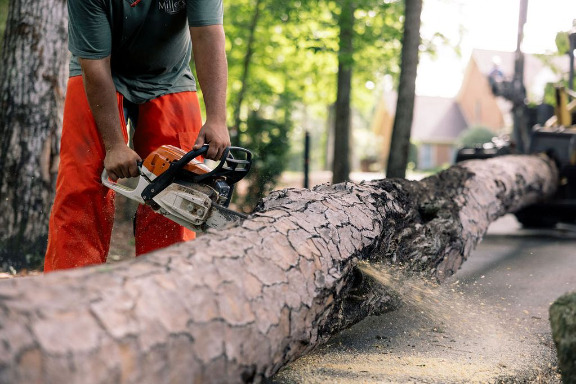
Then, match tooling to tasks for safe, efficient execution. Hand saws and poles shine for fine cuts, while rigging blocks manage mass in tight courtyards. Crews may phase removals from the top down, safeguarding roofs and hardscapes. Stump grinding follows, with chips hauled or repurposed as mulch depending on site goals. Where replanting is planned, verify utilities again and choose species scaled to setbacks, sightlines, and long-term maintenance realities.
However, storm seasons demand contingency planning. Establish contacts for emergency storm response and storm damage cleanup before severe weather. Document trees near structures and prioritize those with known defects. After a blow, inspect hangers, split crotches, and compromised root plates. Temporary hazard mitigation may precede full repairs. Insurance documentation benefits from clear photos and written observations that outline defect location, extent, and recommended next steps.
Also, budget structure affects decision quality. A phased plan spreads costs: immediate hazards first, preventive pruning next, soil improvements after. Transparent scope descriptions, including disposal methods and turf protection, prevent scope creep. Tree consulting can validate complex choices, such as preserving a legacy specimen versus replacement. Lifecycle views often show that selective preservation, supported by PHC, can defer expensive removals while maintaining canopy benefits.
Finally, align replanting with long-term site use. Right tree, right place remains the anchor: mature height, root behavior, leaf litter, and shade patterns influence hardscape longevity and interior light. Regional natives can offer resilience, while cultivars may deliver desired form. Tree planting succeeds when watering schedules, mulch rings, and staking are inspected regularly, then removed or adjusted as roots establish and trunks strengthen over the first seasons.
Ultimately, strong vendor fit hinges on safety culture, training, and communication. Ask about credentials, insurance, and how crews maintain drop-zone awareness. Verify that cleanup includes fine raking and that gates, fences, and irrigation are protected. A contractor who can sequence pruning, soil work, and removals while keeping neighbors informed sets the stage for a yard that looks tidy, functions safely, and grows healthier year over year.